Monday, August 31, 2009

Lamborghini History

Ferruccio Lamborghini was born in Italy in 1916. He was fascinated with engines from an early age. During World War II he joined the army and was stationed on the island of Rhodes. Fortunately there was little going on there during the war.  The island was essentially isolated from the rest of the world. Any cars, trucks or motorcycles that broke down had to be repaired on the spot with reused parts.  Lamborghini became known as a wizard at mechanical improvisation and became very much in demand at fixing engines.
After the war he returned to his home near Modena in northern Italy and setup a small car and motorcycle repair shop.  He soon realized that there was a desperate need for tractors in the agricultural area in which he lived. He found he could build about one tractor a month from derelict military vehicles. As Italy's economy grew demand for his high quality tractors started to grow. He began building his own tractor engines. His tractor business became very successful reaching a rate of over 400 a month in 1960. He soon looked at expanding the business and in 1960 began manufacturing heaters and air conditioning units for buildings as well as maintaining the tractor business. This too became very successful.
About this time Lamborghini started to get interested in developing a high performance car. He had owned Oscas, Maseratis and Ferraris but was always disappointed with them.  Particularly their engines. There is a now famous story about how he was frustrated with problems he had with a clutch in a Ferrari (a Ferrari 250 GT), and went to visit Enzo Ferrari who's factory was nearby. Enzo had no time for a tractor manufacture and simply dismissed him. Lamborghini decided there was nothing Ferrari was doing he could not do better. He decided too build his own car with a V12 engine.  For the design he found a very talented engineer named Giampaolo Dallara who had previously worked on a Ferrari V12 engine.

The new engine had 4 cams, a short stroke and 4 big bore valves per cylinder.  It developed a surprising 350 HP. It was an all aluminum engine with a crankshaft supported by seven main bearings. These crankshafts were machined from SAE 9840 steel.  The connecting rods (12) were of SAE 4340 steel. The pistons were of forged aluminum. Each pair of camshafts were driven by their own half engine speed sprocket and silent chain.  This engine was really the prototype for all future Lamborghini engines. A body designed by Scaglione-Touring was used to house the engine.

The Lamborghini "350 GTV" prototype was shown to the public on the Turin Auto Show of 1963. Sales started the following year. The car was called the 350 GT. It was a complete success.  Over 130 were sold.The future of Automobili Lamborghini looked very bright during the sixties. The 350 GT was succeeded by the 400 GT and then the  400 GT 2+2.  The 350 GT and 400 GT 2+2 made the Lamborghini name known throughout the world. With the funds coming in from these cars and his successful tractor business Ferruccio allowed his engineers to design and construction a new car - the Lamborghini Miura. The Miura made the Lamborghini name legendary. It was a car truly ahead of its time. It shocked even companies like Ferrari and Maserati.
The Miura was first shown on November 1965 at the Turin Auto Show by Ferruccio Lamborghini himself. Only the chassis was shown at the show, the engine was transversely mid-mounted, something up to then only seen in real F1 race cars. The design of the body was executed by Marcello Gandini in less than a year, and on the March 1966 Geneva Show it was completed and on display. It looked even better than in Turin. The car was very aggressively styled, and an appropriate name was chosen for it, the Miura, a name taken from the ferocious Spanish fighting bulls.  Again the car was a complete success.
This was followed in 1973 at the Geneva Auto Show when Lamborghini shocked the world again with his revolutionary LP400 Countach. Only a prototype was shown. Today it is difficult to realize the impact that car had on everybody at that time. Even now the car is a show stopper! The car at the show was painted in a bright red and with a black suede interior. It showed for the first time, the by now, famous, Lamborghini signature swing up doors. It also displayed unique vertically mounted rear air intakes to go with its powerful 4 Liter engine.
In 1974 disaster struck.  The Lamborghini tractor business received a major setback. A massive order for tractors to a south American country was cancelled. Lamborghini anticipating the demand, had previously upgraded the tractor factory to be able to build the numbers of tractors required. The company lost a lot of money over it. Compounding things also at this time was a series of labor problems at the factory. While his personal fortune was still considerable he decided to sell part of his share in the factory. Eventually the factory was taken over by Fiat.
During the seventies the company survived on sales of Miura's. The car business started to be self sufficient and make money.  However Lamborghini eventually sold all his remaining stock in the company to a Swiss investor.  The company to this day still retains his name however.  Ferruccio Lamborghini died in February 1993 at the age of almost 76
The oil crisis of the 70's started to made sales of high performance cars difficult.  Production art the factory was plagued with budget and parts supply problems.  People gave up waiting for cars with two year back orders. A wealthy Canadian, Walter Wolf,  played a major role is supporting Lamborghini and developing the Countach during these difficult times.
In 1978 the company declared bankruptcy. An Italian court was appointed to find a buyer.  A Swiss based group called the Mimran brother's were able to save the factory. Patrick Mimran (one of the brothers),  in 1980 started to turn the company around. The Countach was developed further under him from the LP500 S right up to the impressive QuattroValvole. .
Just as things were going well, the Mimran brothers sold the company to Chrysler Corporation.  This was a big surprise at the time.  Chrysler support however was just what the company needed at that time. They were working on a Countach successor --  the Diablo. Chrysler kept the winning team together in Italy. While the cultures of the two companies were different and things got stressful between the management groups, they did succeed in bringing the vast resources of Chrysler to bear on the  design, pollution controls, and new manufacturing techniques etc. for the new car.
Again the result was an outstanding success. The new Lamborghini Diablo got rave reviews everywhere it went.  However in another twist of faith, in 1994 Chrysler fell upon hard times and had to sell the company. It was bought by an Indonesian investment group headed by Tommy Suharto of the well known Suharto family.  Unfortunately in the late 90's an economical crisis started to hit the Indonesian owners hard and the much needed money for research on a successor to the Diablo started to dry up.
Fortunately the German company Audi had an interest in Lamborghini. On August 4 1998, in a complex series of transactions Audi AG became the sole owner of Automobili Lamborghini. As in the case of the Chrysler buyout, this could not have been a better time for Lamborghini. Audi took an active role in designing the Murcielago and brought to the table again the vast resources of a major automobile company to develop and produce another exotic car.
Lets hope this is the last chapter of ownership changes in this unique little Italian car company.  It is to the credit of the people there that they have hung in to all the changes of ownership they have experienced over the years and yet produced such exciting cars.
Cars over the years
Source: http://www.lamboweb.com/History.htm

Ferrari History

Enzo Ferrari was born in Modena Italy on February 18 1898. He came from a well to do family that owned a metal foundry making railroad parts, they were the first in his town to own a car. When WWI came Enzo’s father and brother (Dino) were drafted into the Italian army, whom both died from influenza in 1916. Enzo was forced to leave school to run the foundry, when the business collapsed he started work as a metalworker at the Modena Fire Brigade workshop in order to support his widowed mother. Enzo himself was later drafted into the Italian army where he worked shoeing mules for the mountain artillery, after a few months he becomming seriously ill and was released from the military. Not interested in going back to shcool and against his mothers will, he found work as a test driver in Turin in late 1918. Enzo then moved to Milan to work at CMN (Costruzioni Maccaniche Nazionali) as a racing car driver. His first real race came in the 1919, the Parma-Berceto, he then entered the Targa Florio that same year.Enzo Ferrari
Enzo then founded Scuderia Ferrari, (literally means Ferrari Stable) who were mainly sponsers and trainers for Alfa Romeo. He was officially hired by Alfa Romeo as head of their racing department in 1938, then in 1940, upon learning of the company’s plan to take control of his beloved Scuderia, he quit Alfa. Since he was prohibited by contract from racing for several years, the Scuderia briefly became Auto Avio Costruzioni Ferrari, which ostensibly produced machine tools and aircraft accessories for Piaggio and RIV as Italy was gearing up for WWII. Ferrari did in fact produce one race car, the Tipo 815, in the non-competition period; it was thus the first actual Ferrari car, but due to the war it saw little competition.
In 1943 the Ferrari factory moved to Maranello, where it has remained ever since. The factory was bombed in 1944 due to making machines for ball bearing production, it was rebuilt in 1946 to include a works for road car production. The first Ferrari road car was the 1947 125 S, powered by a 1.5-litre V12 engine; Enzo reluctantly built and sold his automobiles to fund the Scuderia.
Ferrari LogoSince then, company cars, driven by the best drivers, have racked up over 5,000 successes on race tracks and roads all over the world, creating a legend. The most important achievements have been 9 Formula 1 Drivers’ World titles, 14 Manufacturers’ World titles, 8 Formula 1 Constructors’ World Championships, 9 wins at the Le Mans 24 Hours race, 8 at the Mille Miglia, 7 at the Targa Florio, and, up to the end of 1997, 113 wins in Formula 1 Grands Prix.
WhileƂ Enzo’s beautiful and blazingly fast cars quickly gained a reputation for excellence, Enzo maintained a famous distaste for his customers, most of whom he felt were buying his cars for the prestige and not for racing. Ferrari has long been one of the ultimate toys for the rich and young (or young-at-heart). Ferrari cars feature highly-tuned small V8 and V12 engines, often in a mid-engined configuration. But until the introduction of fuel injection in the 1980s, they were quite temperamental and were dificult to maintain. Before the mid 1980s they carried a reputation for unreliability and bad engineering, though these were written off by enthusiasts as “character.” Ferrari owners have famously and religiously defended the merits of their cars while virulently criticizing other brands.
In 1969, to meet growing market demand, Enzo Ferrari sold 50% of the share capital to the Fiat Group, and investment that increased to 90% in 1988. In spite of this Ferrari has always maintained a strong autonomy, thanks to its specialist activities.
Enzo Ferrari died in Modena on August 14, 1988. As of the writing of this article, FIAT owns 56% of Ferrari, Mediobanca owns 15%, Commerzbank AG owns 10%, Lehman Brothers owns 7%, and Enzo’s son Piero Ferrari owns 10%.
Source: http://www.ferrarifaqs.com/ferrari-history

Xtreme cars


Source: http://www.xtremecarsandstars.net/
 Gallery

BOND MUSEUM

Bond Cars
Source: http://www.thebondmuseum.com/index.htm

Revealed: 2010 Land Rover coupe-crossover

This is the second official image of the upcoming Land Rover Coupe-Crossover due to make an appearance in concept form at next month’s Detroit Auto Show. Land Rover surprised many when it presented the first official teaser during a presentation back at September’s Frankfurt Motor Show.

This latest image is actually the concept version, which was leaked prematurely onto several major forums. The image confirms the vehicle will have just two doors and also reveals a panoramic sunroof and lush interior.

The new model will be positioned below the current Freelander/LR2 as a direct competitor to other premium compact SUVs such as Audi’s upcoming Q3 and BMW X1. New features that will appear on the final production car will be an engine stop-start system, lightweight aluminum suspension and a possible mild-hybrid set-up. Click here to see an artist’s impression of the final production version due in 2009.
Source: http://www.motorauthority.com/blog/1025749_revealed-2010-land-rover-coupe-crossover

Sunday, August 30, 2009

World Top 10 Fastest Cars In 2009

10 Gemballa Porsche carrera

   
Top Speed:  209 MPH ,0-60 in 3.9 seconds .
Horsepower  612
Aluminum, 68 degree, water cooled V10 Engine 
Base Price:  $444.000.


9 lamborghini murcielago

Top Speed:  213 mph+, 0-60 in 3.3 seconds.
Horsepower: 640
V12 Engine
Base price : $430,000.


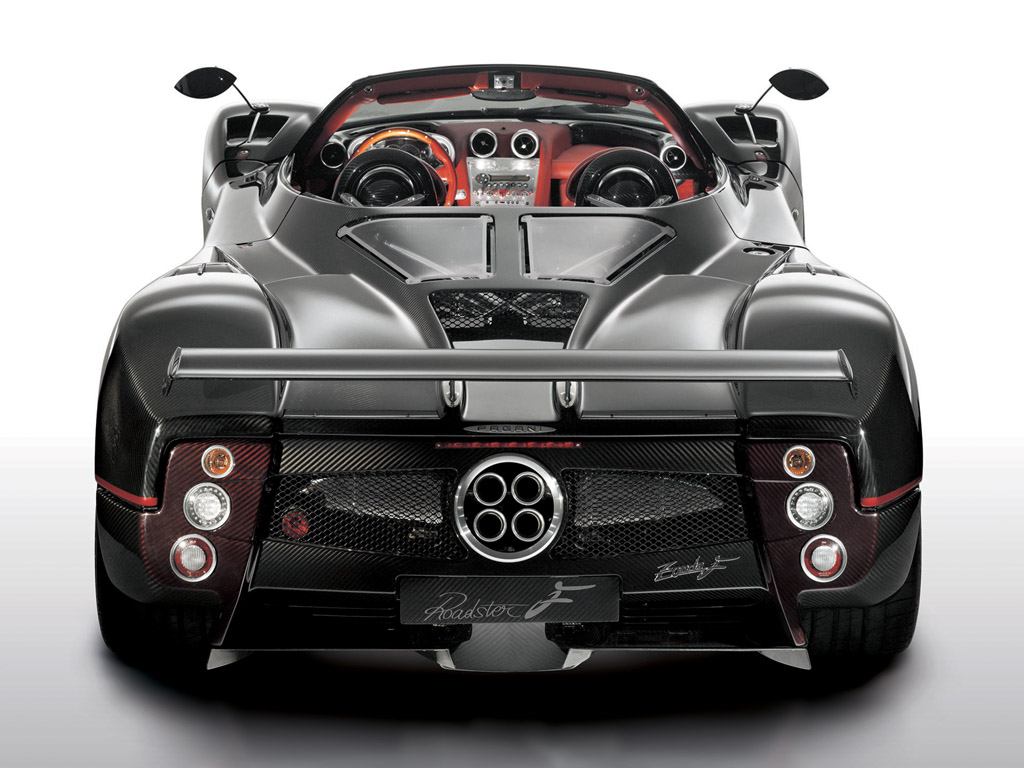
8 Pagani Zonda
Top speed : 215 mph+, 0-60 in 3.5 seconds.
Horsepower: 650
Mercedes Benz M180 V12 Engine
Base price:  $741,000.


7 Jaguar XJ220


Topspeed :217 mph+, 0-60 in 4.0 seconds.
Horsepower 542
Twin Turbo V6 Engine
Base price: $345,000


6 Ferrari Enzo

Top speed: 217 mph+, 0-60 in 3.4 seconds.
Horsepower 660
F140 Aluminum V12 Engine
Base price:  $670,000


5 Mclaren F1

Top speed: 240 mph+, 0-60 in 3.2 seconds
Harsepower 627
BMW S70/2 60 Degree V12 Engine
Base price:  $970,000.


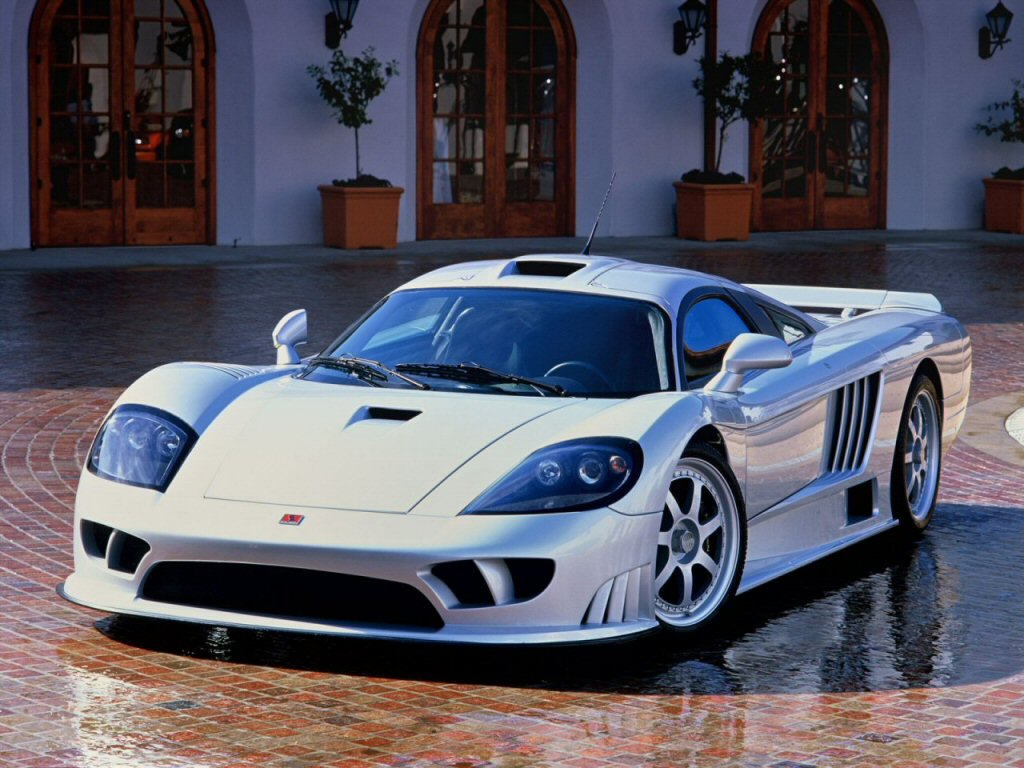
4 Saleen twin

Top speed: 248 mph+, 0-60 in 3.2 seconds .
Harsepower 750
Twin Turbo All aluminum V8 Engine
Base price $555,000


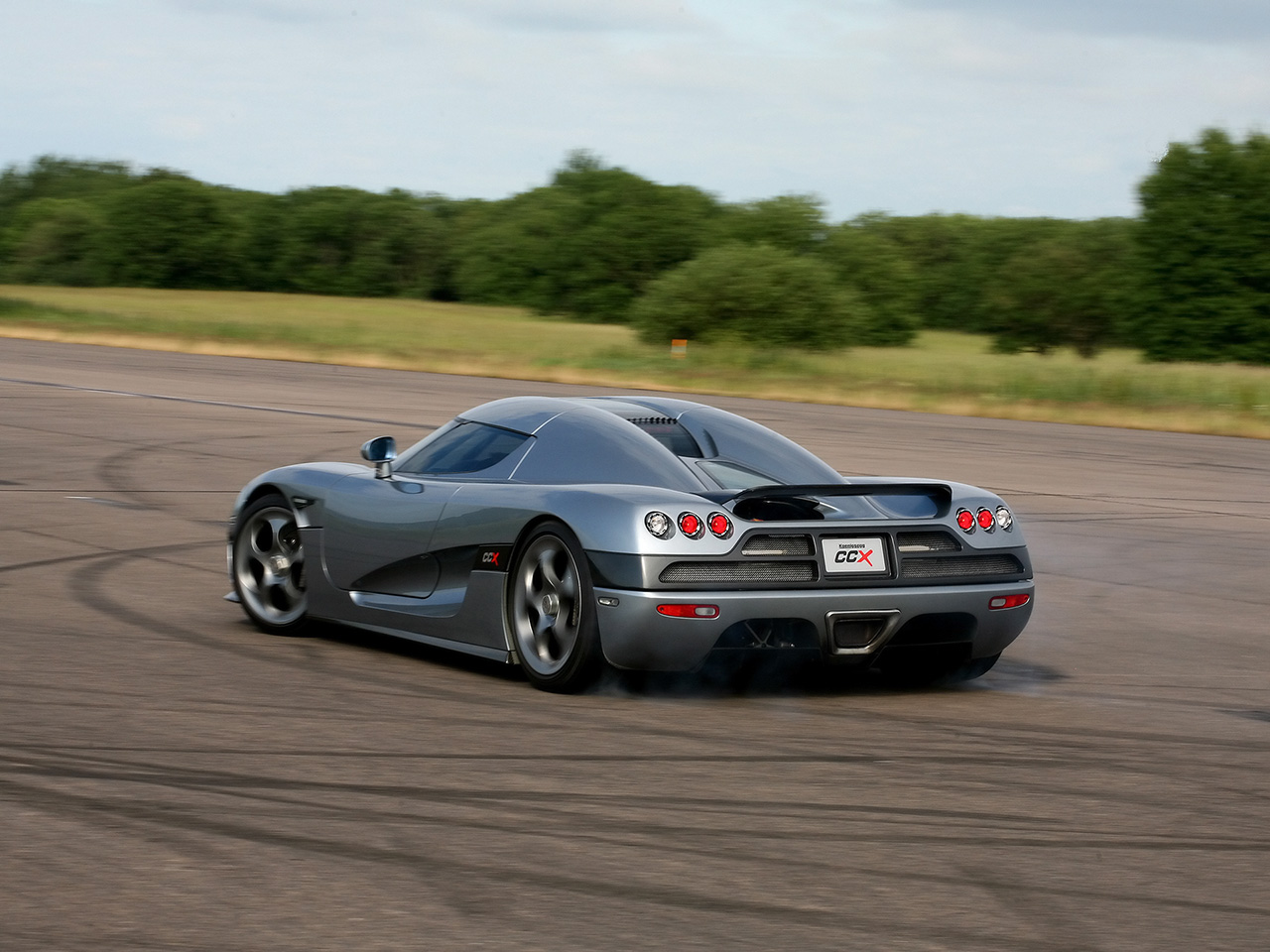
3 koenigsegg ccx

Top speed: 250 mph+ , 0-60 in 3.2 seconds .
Harsepower 806
90n Degree V8 Engine
Base price is $695,000,


2 Bugatti Veryron

Top speed 253 mph+, 0-60 in 2.5 seconds.
Harsepower 1001
Aluminum , Narrow angle W 16 Engine
Base price  $1,444,000


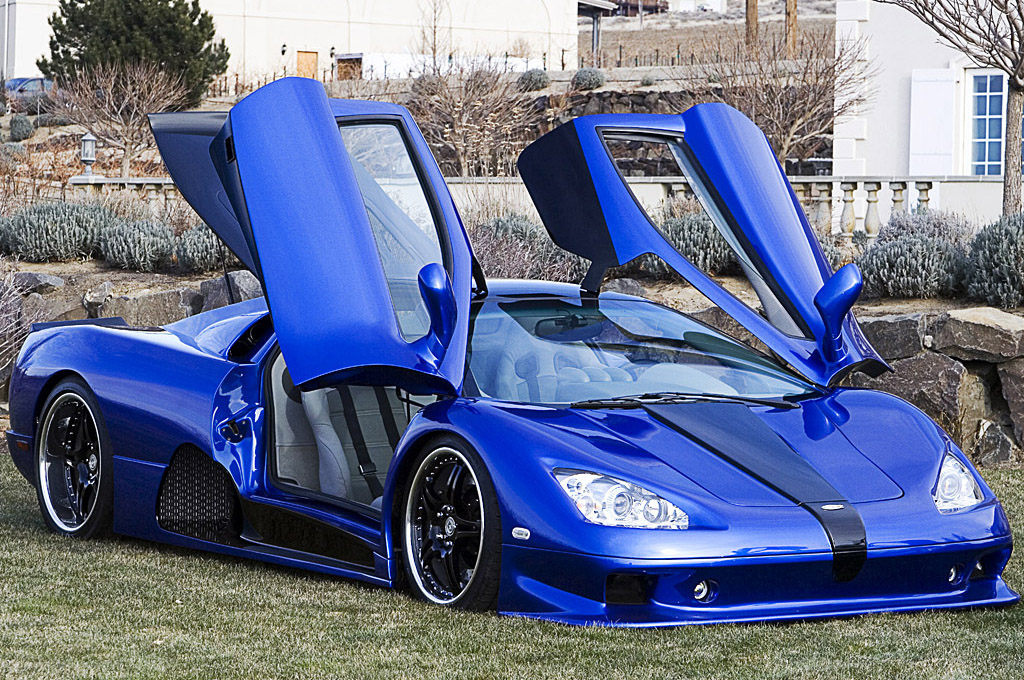
1 SSC Ultimate Aero

Top speed 257 mph+, 0-60 in 2.7 seconds.
Harse power 1183
Twin Turbo V8 Engine with
Base price $654,400.


Source: http://hubpages.com/hub/worldtop10fastestcars

Chinese SUV maker Zotye raises $105 mln for EV project


Shanghai, August 5 (Gasgoo.com) Zotye Auto, a Chinese maker of sport utility vehicles (SUV), is raising about 720 million yuan ($105 million) by selling a unspecified percent of stakes to a group of private Chinese companies, aiming for supporting development of its own brand new energy vehicles.

Zotye signed strategic cooperation contracts on Tuesday with a group of 11 privated investors, led by Shenzhen-based JF Asset Management Company, Zhejiang Haiyue Co and Xinghe (Group) Corp at Hangzhou, the capital city of Zhejiang province.

Zhengjiang provincial government leaders, as well as the municipal government representives of Yongkang city, where Zotye is located, attend the signing ceremony. Wu Jianzhong, president of Zotye Auto, said "with the support of private investors, Zotye is extremely confident in exploring ways to develop more cost efficient powerhouse for electric vehicles.”

Wu said that Zotye plan to mass produce its pure electric vehicles by the end of this year.

Last month Zotye rolled out a pure electric four-seater with a range of 250 miles and a top speed of 75mph. It has lithium-ion batteries that can be recharged in 6-8 hours from a conventional socket, or in two hours from a high-power recharging point.

Zotye plans to make and sell 500,000 vehicles by 2012, aiming to double that capacity by 2017, according to its Web site. It also has plans to bring its electric vehicle to Europe and the US within the next couple of years.

Aston Martin Prepares New One-77 Supercar


Mercedes-Benz is preparing a new Gullwing, Ferrari is working on the next Enzo, and Pagani is developing a new Zonda... Is there a chance Aston Martin would be out of this supercar effort? No way, and the company has proven that by revealing it is developing a new supercar, the One-77. As the name states, only 77 units of this beauty will be made.
Although the company has not released much about the car besides this single design sketch so far, the One-77 will have a handcrafted body in aluminium, which will be sustained by a carbon-fibre chassis. Light weight chassis combined a 7.0-litre V12 engine expected to produce at least 550 bhp, a top speed that exceeds 350 km/h and a sprint from 0 to 100 km/h in about 3 seconds is bloody marvelous.  Fortunate ones, these 77 future owners!

BRABUS G V12 S Biturbo with 700 hp to Bow in Geneva


Despite the fact that SUV's are falling out of favor with many consumers, tuning firm Brabus has announced plans to introduce their new G V12 S Biturbo at next month's Geneva Motor Show.
Big changes lie under the hood as the new G V12 S Biturbo replaces the traditional V8 engines that normally reside in the G-Class with a version of Mercedes' V12 engine from the S600. The engine's displacement is increased from 5.5 to 6.3 liters (336 to 384 cubic inches) and it is outfitted with a new crankshaft, larger cylinders, and reworked cylinder heads. Brabus also added larger turbochargers, a better intercooling system, and a specially designed high-performance stainless steel exhaust system with free-flow metal catalysts.
The end result of all this work is an engine that produces 700 hp (690 bhp /515 kW) and an electronically limited 1,100 Nm (811 lb-ft) of torque. Performance figures for this monster include a 0-100 km/h time of 4.3 seconds and a limited top speed of 240 km/h (150 mph). In comparison, the V8 powered G55 AMG produces 500 hp and 516 lb-ft of torque while the Mercedes S600 has 510 hp and 612 lb-ft of torque.
In order to cope with all that power, Brabus had to install a custom suspension, a high-performance braking system, and high-performance tires which are available in sizes from 20- to 22-inches.
The hefty €379,000 price tag includes an exclusive exterior that features a Brabus front apron with LED daytime running lights, a new rear bumper, and specially designed caps for the G-Class' standard running boards that offer integrated LED lights which can be activated via the key fob. Inside there's a new ergonomically shaped sport steering wheel, a 280-km/h (175 mph) speedometer, illuminated sill plates, and handcrafted Brabus Mastik leather. Upon customer request, the company can turn the G V12 S Biturbo into an office on wheels or the ultimate entertainment machine by equipping it with state-of-the-art communications technology, a DVD changer, TV tuner, game console and eight-inch LCD screens mounted to the back of the front headrests.
Source: www.worldcarfans.com
Gallery

Sultan of Brunei's unique Lamborghini LM002 wagon up for sale


It's not every day that a Lamborghini LM002 goes up for sale. The sole crossover (no pun intended) between Lambo's tractor and supercar divisions, the LM002 forged the path for later exotic sport-utes like the Porsche Cayenne and Spyker D8 Peking-to-Paris SSUV decades earlier. But the Rambo Lambo, as it was known, was sold as a four-door short-bed pickup of sorts. That didn't cut it for the famously car crazy Sultan of Brunei, who apparently had this custom LM002 wagon built to his specifications.

It can seat seven in exotic opulence, complete with leather upholstery, burlwood veneer, television screens, DVD players, electric everything...oh, and a 450 horsepower V12 borrowed from the Countach. Not too shabby, especially for a sport-ute from 1987.

This particular LM is said to be the only one of its kind, and it was reportedly owned by former BMW and Volkswagen chief Bernd Pischetsrieder after it left Brunei. It's now available for purchase in Germany at an undisclosed price, and is sure to terrify the other SUVs at your kid's soccer practice – to say nothing of the gas stations you're sure to frequent with this sort of beast.

First Drive (Kinda): 2010 Lamborghini Gallardo LP550-2 Valentino Balboni... with Valentino Balboni!

It was eleven in the morning on a typical Thursday when my phone rang. "How'd you like to drive the Lamborghini Gallardo LP550-2 Valentino Balboni in Beverly Hills at 3:00 pm... with Valentino Balboni?" Aside from screaming "YES!!!" at the top of my lungs, all sorts of thoughts started to crowd my brain. What should I wear? Should I shave? Do I address him as Valentino? Mr. Balboni? Your majesty? And most of all, am I worthy? Normally at car events, you wind up talking to a bunch of MBA-types and, no offense, but really, who cares? You drink too much, brag too much, dress how you like – it simply doesn't matter. But this was Valentino Balboni. Respect is demanded. Then I got a text message from Drew Phillips, our resident ace photographer. "No flip flops." Right.In case you're not sure what all the drama is about, Valentino Balboni spent four decades as a test driver for Lamborghini. In fact, for several of those years he was the test driver. Not only has Balboni been at the helm of every prototype Lamborghini since 1973, but most of their production cars got a quick lap around the streets of Sant'Agata with Valentino at the helm, just to make sure they were up to Lamborghini snuff. Still not clear as to why the man's such a big deal? It's believed that Valentino Balboni has driven 80% of all Lamborghinis ever made.

Balboni was instrumental in the development of the Gallardo, Lamborghini's most successful model of all time with over 9,000 sold. Lamborghini has just released a very special and very limited edition of the Gallardo, dubbed the LP550-2 Valentino Balboni, after their own living legend. Just 250 will be produced and all are rear-wheel drive – a first for Lamborghini in nearly a decade. But how did this car come to be? I was lucky enough to spend ninety minutes in a Lamborghini Valentino Balboni with Valentino Balboni asking him exactly that. Plus a whole lot more – click on the jump to read all about it.
As soon as we set off, Balboni apologized that the LP550-2 VB we were in – he was driving, I was riding shotgun – was paddle-shifted instead of equipped with the excellent gated six-speed manual. He assured me that if he'd had his way, all 250 LP550-2s would ship with sticks. However as 95% of the U.S. market drives autos, and the U.S. is Lamborghini's biggest market, the very decent eGear is (sadly) an option.

I should also mention that Mr. Balboni (and for the record I only addressed him as "Mr. Balboni") appears to be genuinely amazed and flattered – still – that Lamborghini decided to build and name a car after him. In fact, he was still beaming. He explains that while working for Lamborghini he was too close to the job, the day-to-day grind, to really appreciate how special his position was. But now that he's retired, the specialness, –the unbelievable luckiness of his previous position is becoming clear.
"My major concern was to avoid electronic help as much as possible – to let the driving pleasure come from the suspension tuning and power delivery." This is one of the reasons why Balboni was so apologetic about the E-gear. Since the start, he's been personally, "Very much against E-gear," because it takes some amount of vehicle control away from the driver and hands it to a computer. As far as rear-wheel drive goes, he has been against all-wheel drive Lambos from the start. In fact, he told me, "the company was split in two over AWD."

As he's telling me all this we crest a large hill and begin heading down and even larger one. Balboni is stunned. "This is like San Francisco. We should come back here at 100 mph," he grins. "Sure," I say. "I trust you." We start talking about other aspects of the LP550-2, the European racing inspired stripe, the intoxicating sounds, the driving pleasure (a big theme of his), carbon vs. steel brakes, etc. And then it dawns on me – I'm in a car with Valentino Balboni!
"I'm happy to be your passenger," he tells me, insisting that I drive. Gurning like an idiot I leap from the passenger side right back into the devastatingly Italian, leather encrusted cockpit. Everything is in place, from the deeply sporting seats to the fatty, overstuffed leather-wrapped wheel. Sadly, for the purposes of this story and my future daydreams, we were mired in rush hour traffic, creeping along at maybe 20 mph. I was able to really launch the beast a total of twice. That stated, I'm sure the LP550-2 Valentino Balboni is every bit the supercar it set out to be. But if given the chance to pound the bearings off the Balboni for hours on a track, I wouldn't trade it for the 90 minutes I spent stuck in traffic with Valentino. I mean, of course, Mr. Balboni.
gallery

Chip Foose builds a custom 2010 Ford Mustang that you can win

 
If you've ever seen Chip Foose at work, it's hard not to admire the guy. He's got more natural talent in his pinky finger than most of us car guys can dream of, and each of the vehicles he builds ends up being a work of art. He recently got his hands on a brand new 2010 Ford Mustang GT, which was Foosified on an episode of Spike TV's MuscleCar.

The best part? You can enter to win the car on PowerBlockTV.com. This customized pony car features an Edelbrock supercharger system, Roush body kit, Magnaflow exhaust, Foose wheels and Pirelli tires, Baer brakes, Eibach springs, Bilstein shocks, and a unique paint scheme designed by Foose himself. You can submit an entry to win once a week until October 12, so get going!
gallery
Source: http://www.autoblog.com/gallery/2010-foose-mustang

Toyota Corolla vs. Honda Civic Review


Cost
The destination charge is a standard charge for transporting the vehicle from its point of origin to the dealer. It costs roughly the same to get the Honda Civic to the dealership as the Toyota Corolla. In terms of gas mileage, the Corolla and the Honda don't differ much. Regarding MSRP, the Honda Civic costs substantially more than the Toyota Corolla.
Utility
The Honda Civic and the Toyota Corolla can accommodate the same number of passengers. Towing is significantly more the Toyota Corolla's forte than it is the Honda's.
Convenience
The Honda Civic's fuel tank will need to be replenished somewhat more often than the unit in the Toyota.
Comfort
While the front cabin in the Honda Civic offers a bit more head room than the Toyota Corolla, there honestly isn't much of a difference. While the rear of the Toyota provides a bit more head- and leg-room than the Honda, there really isn't much of a difference.
Dimensions
The Civic and the Toyota Corolla compete for the same parking spaces.
Handling
With their similar turning radiuses, the Honda Civic and the Corolla likely handle roughly the same into and out of tight spots.
Overview
The Toyota Corolla and the Civic have the same basic after-sale protection.

Toyota Land Cruiser vs. Land Rover Range Rover Review


Utility
Drivers with frequent child-duty might favor the Toyota Land Cruiser over the Land Rover Range Rover. The Toyota Land Cruiser is a better choice than the Range Rover regarding hauling capacity, especially if you often need to carry a lot of cargo or big pets. There's little the Toyota Land Cruiser can tow that the Range Rover cannot.
Dimensions
The Land Cruiser's tank is roughly the same size as the Land Rover Range Rover's, though the Range Rover's is a tad larger. The Toyota Land Cruiser and the Land Rover Range Rover compete for the same parking spaces.
Convenience
The Toyota Land Cruiser's fuel tank will need to be replenished a bit more often than the unit in the Land Rover Range Rover.
Cost
The destination charge is a standard charge for transporting the vehicle from its point of origin to the dealer. It costs approximately the same to get the Land Rover Range Rover to the dealership as the Toyota Land Cruiser. Producing an exact fuel economy evaluation is so tricky that some think not even the federal government can do it, but it looks as though both the Toyota Land Cruiser and the Toyota Land Cruiser perform roughly comparably in terms of gas mileage. The Land Cruiser doesn't pale in comparison to the Range Rover when it comes to gas mileage. In terms of MSRP, the Land Rover Range Rover costs tremendously more than the Toyota Land Cruiser.
Handling
With their similar turning circles, the Toyota Land Cruiser and the Range Rover likely handle about the same into and out of tight spots.
Drivetrain
The Toyota Land Cruiser has a larger engine than the Land Rover Range Rover. Remember that smaller engines typically get better gas mileage, but smaller engines can be stressed more. Torque equals pickup, and the Toyota Land Cruiser will have picked up and gone by the time the Land Rover Range Rover finally gets moving.
Comfort
Taller drivers will significantly enjoy the extra head room in the Range Rover's front cabin compared to the Toyota Land Cruiser. The Toyota Land Cruiser is not particularly roomier for your passengers than the Land Rover Range Rover.
Overview
The basic after-sale protection that comes with the Toyota Land Cruiser isn't quite as generous as the Range Rover's.

The King Kong of Corvettes Versus the Godzilla of Japan

Source: http://www.edmunds.com/insideline/do/Drives/Comparos/articleId=134467

It's already hot at 11 a.m. as we pull our 2009 Nissan GT-R into the visitor's parking lot at GM's proving grounds in Arizona. The Japanese supercar looks like a spaceship next to the aging, 1960s-era brick buildings that front the massive desert test facility on the outskirts of Phoenix.
Although the few GM employees who see the GT-R barely pay it any attention, we suspect they know why it's here. Somewhere deep inside this test facility there's a 2009 Chevrolet Corvette ZR1 getting prepped for a comparison test, and now the competition has arrived.
We make a few calls and sign a few release forms before a Cyber Gray ZR1 emerges from the main gate and pulls up next to the GT-R. The driver gets out, hands us the keys and gives a friendly warning, "Go fast carefully."
From here on out, it's the King Kong of Corvettes versus the Godzilla of Japan. We'll drive both cars more than 300 miles back to Los Angeles before putting them on a dyno, running our customary round of instrumented tests and wrapping it all up with hot laps on the road course at Streets of Willow.
Burnouts at 75 mph
We're barely out of Phoenix before the 2009 Chevrolet Corvette ZR1 lays down the gauntlet, or more accurately, the stripes. That's right, drop the ZR1 into 3rd gear, nail the throttle and it will light up the back tires at 75 mph before launching you into triple digits.
This will never happen in the all-wheel-drive 2009 Nissan GT-R. Can't do it in a Ferrari Enzo, Lamborghini MurciƩlago or Porsche 911 GT2 either. Yes, the ZR1 is a truly sick automobile.
After a dozen or so high-speed smokies, we settle into a slightly more relaxed pace on the road west, where the ZR1 proves itself a surprisingly comfortable road car. The Chevy's adjustable suspension soaks up the kind of small bumps that make the GT-R annoyingly jumpy on the highway. Changes in the pavement don't generate nearly as much tire roar as the Nissan produces, either. Tall gearing is another plus for the ZR1, as it cruises at highway speeds with the tachometer needle hovering lazily around two grand.
So far, the ZR1 is mighty comfortable and massively powerful, but there are problems, too. The steering column shudders so much that we actually think there might be a flat tire at one point (a faulty tire-pressure warning sensor isn't helping), while the driver seat is a shapeless blob of leather and foam better suited to watching 12 straight hours of Saturday college football than a 200-mph supercar.
We also notice that the steering wheel appears to be the same unit used in the Cobalt. What, the suede-wrapped wheel used in the $70K Cadillac CTS-V is too expensive? It seems hard to believe given our Corvette's as-tested price of $118,520. Then again, this price includes the truly tasteless chrome wheels, a $2,000 option. Here's hoping for a chrome-stripping desert sandstorm on the way home.
Comfort Mode
Having driven the 2009 Nissan GT-R out to Arizona, we're already all too familiar with the GT-R's road manners. Its adjustable suspension has a Comfort mode, but it merely cracks your teeth into finer pieces than the standard setting. We also notice that truck ruts in the pavement will send the GT-R sailing into the median if you're not paying attention, while concrete highways produce so much tire noise that it sounds like we're riding inside a cement mixer.
That said, smooth stretches of asphalt make the GT-R feel more like a private jet than an automobile. The tire roar disappears, replaced by the faint whine of the twin turbos and a hint of wind noise. The seats are well contoured and firmly bolstered, while the meaty rim of the steering wheel feels substantial in our hands.
The rest of the GT-R's interior is laid out logically and it's solidly built using high-quality materials. Our test car is a Premium model with the optional iPod hookup and floor mats that pegs the price at $80,770. It's not a luxurious cabin, but nothing in it feels cheap, either.
Rating the Power
Once back in Los Angeles, we head straight for the Harman Motive dyno shop to see just how much power these two heavyweights are putting to the ground. Their ultramodern test cell is one of the most accurate setups we've used, so the numbers should be solid and repeatable.
First up is the Nissan GT-R. Its twin-turbo 3.8-liter V6 is rated from the factory at 480 horsepower and 430 pound-feet of torque. All this power is sent through a dual-clutch six-speed transaxle to all four wheels in varying degrees of torque split, depending on traction.
After several very consistent pulls, the GT-R generates 406 hp at 6,000 rpm and 399 lb-ft of torque at 3,800 rpm. The power curves are a little bumpy as the output fluctuates slightly, but they're impressive otherwise.
Next up is the 2009 Chevrolet Corvette ZR1. With a Roots-type blower feeding the 6.2-liter V8, this engine is rated at 638 hp and 604 lb-ft of torque. It, too, sends its power through a six-speed transaxle, but it all goes only to the 20-inch rear wheels.
Like the GT-R, the ZR1's engine pulls very consistently over several runs. The final numbers are 505 hp at 6,200 rpm and 494 lb-ft at 4,200 rpm and the power curves trace perfectly smooth arcs. No bumps, no dips, nothing.
You might expect the difference between the two cars' results to be greater than the 99 hp we observed. Although this outcome suggests that one manufacturer is being a little less forthright about its numbers than the other, our resident engineers suspect it has more to do with how the two companies dial in the intercoolers during dyno testing.
Straight-Line Horsepower
The next day we head to the test track to run the numbers. The GT-R opened a lot of eyes when it ran 11-second quarter-mile times earlier this year, so our expectations are even higher for the more powerful ZR1.
Launching the 2009 Nissan GT-R is a no-brainer thanks to its electronic launch control system. Set the switches to their appropriate positions, hold the brake, let the engine speed come up and let it rip. After a few consistent runs, our best time from zero to 60 mph is 3.8 seconds (3.5 seconds with 1 foot of rollout like on a drag strip). The quarter-mile goes by in 11.8 seconds at 118.6 mph. These are mighty respectable numbers for an $80K street car, and more important they're numbers that are easily repeatable.
With the 2009 Chevrolet Corvette ZR1, it's a whole different story. This Corvette might have huge 335/25R20 tires in back, but since they can't even maintain grip when you put your foot down at highway speeds, you can probably imagine what happens when we try to nail it from a standstill.
We try every method possible to get the car out of the hole quickly — slipping the clutch, modulating the throttle and various combinations of both. The result is a best 0-60-mph time of 3.8 seconds (3.5 seconds with 1 foot of rollout like on a drag strip) and a quarter-mile time of 11.5 seconds at 128.3 mph.
The acceleration numbers of the Nissan GT-R and the Corvette ZR1 might look close, but the ZR1's trap speed says it all, because it's pulling away fast at the end of the run. An impromptu drag race between the two cars shows that although the GT-R can keep up with the Corvette up to around 100 mph, it's all over from there on out.
Well Turned
There's more to attaining supercar status than quick quarter-mile times, so the slalom, braking and skid pad tests are next. With its sophisticated all-wheel-drive system, the GT-R should have an advantage here, but the ZR1 has some pretty high-tech hardware of its own.
A set of carbon-ceramic brake rotors are included as one of the Corvette's most notable upgrades, and they're no joke. They provide enough bite to haul the ZR1 down from 60 mph to a stop in just 96 feet, an amazingly short distance matched only by the $192,000 Porsche 911 GT2.
Through the slalom cones the ZR1 shocks again, with an average speed of 74.7 mph. Not only is this fractionally faster than the all-wheel-drive GT-R's 74 mph, it smokes the GT2's 71.6 mph by a long shot and leaves the last Corvette Z06's 69.2 mph feeling a bit slow.
The ZR1's number on the skid pad is no less impressive, as the sticky Michelin Pilot Sport 2 tires hold on long enough to generate 1.06g.
Despite the Corvette's world-beating numbers, we don't lose sight of the GT-R's still impressive stats. Not only does the 3,918-pound Nissan post nearly the same slalom speed as the 3,366-pound ZR1, the GT-R stops from 60 mph in 106 feet and posts a 0.93g on the skid pad. On a normal day against normal cars, these numbers are good. But next to the ZR1, they suddenly look a little soft.
The Final Test
Since driving in a straight line, a circle or through a bunch of orange cones only has limited appeal, the final test is held on the Streets of Willow, one of the road courses at Willow Springs International Raceway in Rosamond, California. It's a fairly tight, 1.8-mile course, but there are two 100-mph straights that let both cars open it up a little.
Our test driver hops in the GT-R, quickly gets up to speed and lays down some solid laps right out of the gate, the quickest clocking in at 1:25.09. He then moves to the Corvette, which takes a little more time to sort out. The lap times drop quickly, though, and the ZR1 finally posts a fastest lap of 1:23.87. Once again, the ZR1 is quicker than the GT-R, but the raw numbers don't tell the whole story because the two cars are completely different animals around the course.
With the 2009 Nissan GT-R, it's a simple point-and-shoot exercise. The car feels steady, sure-footed and drifts into predictable understeer at the limit. Its seats provide solid support and the steering is direct and responsive. It doesn't have the flickable feel of the lighter Corvette, but its rock-solid chassis inspires the confidence to push it harder. There's very little brake fade and the grip from the Bridgestone Potenza RE070s is considerable. If your driving skills slot anywhere below that of an SCCA road-racing champion, you'll probably go faster in the GT-R.
On the flip side, the Corvette is a sweat-inducing workout that requires good footwork, quick hands and serious concentration. We alternate between jamming our knees into the dash to hold ourselves in place and sawing at the wheel to get the car pointed in the right direction. Don't get us wrong — it's worth the effort, but it is an effort.
The adjustable suspension actually proves too jittery in Sport mode, so our best lap times are made in the more pliable "Touring" setting, which helps keep the chassis settled over some of the rougher sections of the track. There are a few missed shifts, but most of us concede that the ZR1's shifter is probably the best Corvette setup available. And the brakes are nearly flawless, with a good initial bite plus stopping power that never fades, even after repeated hot laps.
The Corvette Wears the Crown
This is far from a perfect Corvette, but the ZR1 is pretty damn close. If you can afford the $100 grand to buy it, then you can probably pop for a pair of Recaro seats and a decent set of wheels, too. There's little room for improvement after that.
Any more horsepower and the tires would never stop smoking. Bigger brakes probably won't even fit the 20-inch wheels. The tires already rub the front wheel wells during fast driving at the track, so there's no more room for extra rubber either. Why bother anyway? The 2009 Chevrolet Corvette ZR1 is already one of the world's quickest, fastest and most capable production cars as it is.
So where does that leave the 2009 Nissan GT-R? It'll be just fine, we suspect. It delivers similar performance in a package that's far less intimidating and infinitely more usable. Sure, the ZR1 has the capability on the track, but exploiting that performance on the street is another matter. This Corvette will blow anything out of the water in a straight line, but on a twisty mountain road all that power is difficult to harness.
And don't forget, Nissan has more in store for the GT-R when it comes to performance with the upcoming V-Spec model.
But that's next year. The ZR1 is here now, and there's nothing you can buy that will touch it. Nothing.
The manufacturers provided Edmunds these vehicles for the purposes of evaluation.

Saturday, August 29, 2009

Toyota closing California plant it ran with GM


TOKYO — Toyota is shutting the California factory it ran with General Motors for 25 years — the first time the Japanese automaker is closing a major auto assembly plant ever.
The decision from Toyota Motor Corp., announced Friday, drew fire from U.S. unions, even as company officials and analysts defended it as unavoidable for money-losing Toyota, following General Motors Corp.'s decision in May to withdraw from the 50-50 joint venture.
Under the decision, Toyota will stop production at its Fremont, California-based New United Motor Manufacturing Inc., or NUMMI, in March 2010, and will move production to its other plants in the U.S., Canada and Japan. Read full article : http://www.chron.com/disp/story.mpl/ap/business/6590565.html
http://wn.com/toyota

599XX


While based on the 599 GTB Fiorano ,with the same transaxle layout and engine type, this prototype is an extreme track car. Ferrari's engineers have carried out extensive work on the engine's combustion chambers and inlet and exhaust tracts. These modifications, combined with the fact that internal attrition has been reduced and the maximum revs have been boosted to 9,000 rpm, helped achieve the target power output of 700 hp at 9,000 rpm. Particular attention was also paid to cutting the weight of the engine unit components. This was achieved both by optimising forms – as in the new crankshaft – and adopting exclusive materials, as in the carbon-fibre used for the intake plenums. A new gearbox shift strategy cuts overall gear-change times to 60 ms.
The 599XX is characterised by an innovative electronic concept called the 'High Performance Dynamic Concept', which has been designed to get maximum performance from the car by managing the combination of the car's mechanical limits with the potential of its electronic controls. The mechanical and electronic systems work together to get the maximum performance from the car under extreme high performance driving, for consistent lap times. The sporty handling has been improved thanks to the adoption of second generation SCM suspension system. Track usage is also made easier thanks to the new 'virtual car engineer', a screen in the car that provides a real-time indication of the vehicle's efficiency.

The 599XX's aerodynamics were honed in numerous Wind Tunnel test sessions with the result that the car now boasts 280 kg of down-force at 200 km/h (630 kg at 300 km/h). The front underside of the body is completely faired-in and the vents that channel hot air from the engine bay have been moved to the bonnet.The 'Actiflow™' system increases down-force and/or cuts drag, depending on the car's trim cornering conditions, courtesy of the use of a porous material in the diffuser and two fans in the boot, which channel the air flow from under the car out through two grilles next to the tail lights. Winglets have been added to the rear buttresses to increase downf-orce, while synthetic jets have also been incorporated into the rear of the car to control and smooth the air flow and to reduce drag. Ferrari's engineers have also used F1-derived 'doughnuts', which partly cover the brake discs and wheel rim. These have the dual functions of improving aerodynamics and cooling the brakes.

In terms of the bodywork, composites and carbon-fibre have been widely used and the engineers drew on their experience in working with aluminium to reach the weight target. The development of increasingly high-performance materials has also benefited the carbon-ceramic braking system. The brake pads are now made from carbon-fibre, which means the callipers are smaller while guaranteeing the same efficiency. The new racing carbon-ceramic braking system also delivers shorter braking distances and is generally more efficient due to the weight saving.

The 599XX comes with slick tyres (29/67 R19 front and 31/71 R19 rear),  specifically developed to maximise stability in cornering and increase lateral acceleration. They are fitted to 19 x 11J wheel rims at the front and 19 x 12J at the rear.
Source: www.ferrari.com/English/GT_Sport%20Cars/Sport_Prototype/Pages/Article_599XX_Ginevra.aspx
http://www.youtube.com/watch?v=sul930i90zE

First Drive: 2010 Ford F150 SVT Raptor What do you get when a bunch of hot-rod guys build an off-road-racing truck? No Compromises, No Competition

By Edward Loh
Photography by Brian Vance
"I mean, this is amazing, right?" shouts SVT Vehicle Dynamics engineer, Ford Tier 3-certified test driver, and possible asylum candidate Gene Martindale over the din of 35-inch tires pulverizing desert gravel.
Amazing? No, this is utterly ridiculous. It's 106 degrees F, and we're streaking across the rock- and sand-strewn frying pan that is Borrego Springs, California, in August. It's absolutely miserable out here, so hot and dry the scorpions have taken refuge under the sidewinders. Word is, Blackwater mercenaries train in this unforgiving desert because it makes Kandahar look like Club Med.
2010 Ford F150 SVT Raptor Front View
You'd never know it from inside our truck. The A/C is blowing ice cold, and Gene keeps his right foot flat as we literally glide over whoop after whoop (an off-road-racing term for the thousands of beige speed bumps scattered before us). Whoops vary in size and composition, from small ones made of storm-piled sand to taller berms packed down by dirtbike and buggy tires, but all can seriously cripple a vehicle if taken at speed.
We're doing 100 mph. At half this rate, any regular truck would explosively dismantle as fast, hard, and repeated hits induce massive and comprehensive suspension or tire failure. Our truck simply strides over them, with some turbulence for us in the cabin, but without any gut wrenching, bolt stripping, metal-on-metal indications of imminent disaster.
2010 Ford F150 SVT Raptor Front View
Well, except for Gene. He keeps hollering and looking over to gauge my reaction. Because of my helmet, he can't see the big, goofy grin on my face, nor does he realize I'm not ignoring him. I'm quietly scanning the horizon for the next big hit. Apparently, he takes my stoicism as evidence that I'm not having fun, and since we're already at Vmax, he decides to show me what a little full-throttle opposite lock can do.
It's when we launch off a huge whoop while yawed at 45 degrees, that I realize I should let Gene know how much I'm enjoying myself. While I'd like to die with a smile on my face, I'd rather it not be in this godforsaken place. I let off a whoop of my own, and his response is an immediate and gleeful, "I know, right? You just can't do that in any other truck!"
The Raptor name owes its creation to a bean counter, a finance guy on the SVT team who thought it would make a good code name while they thought up another moniker. The names Terminator and Condor (the latter soar over the Anza Borrego desert test facility) were considered, but the Raptor name stuck--though not without difficulty. Boutique sports-car manufacturer Mosler owned the rights to the name but settled with Ford/SVT.
2010 Ford F150 SVT Raptor Front View
• Other Raptors include the Toronto NBA team, a Yamaha ATV, the Air Force's F-22 stealth fighter jet, and a roller coaster in Sandusky, Ohio--though Ford's is the only one with 35-inch claws.
• With the exception of the headlights, the Raptor is unique from the F-150 from the A-pillar forward. The vented hood, composite fenders with heat extractors, front fascia, and front bumper are all Raptor exclusives. That front bumper is Ford's first use of high-strength hydroformed steel as an exterior panel.
• Raptors are built right alongside all other F-150s at Ford's Dearbon Truck Plant. Despite the significantly widened track and fenders and lengthened and strengthened suspension components, the Raptor retains nearly all the factory mounting points from the F-150. In fact the frame required no additional drilling, welding, or cutting of. Only the front shock towers needed top-mounted spacers to give the Fox shocks the necessary, wider angle. Giving the Raptor its own look and feel while minimizing the number of special manufacturing steps helps keep the cost down. In fact, Raptors need to be pulled off the production line at only two stages: wheel alignment (because of the extra wide track) and for the installation of the numerous aluminum skidplates.
• Optional steel sidesteps are vented and wider than normal to prevent rocks and debris kicked up by the widened track and tires from hitting the flared fenders.
• The patented internal bypass shocks developed in conjunction with Fox Racing Shox help make the Raptor ready for anything--possibly even war. While this is the first time such technology is available on a production vehicle, Fox Racing has been providing this shock technology the U.S. military and its allies. Our Army HMMWV Humvees and the British Royal Army's MWMIKs (Mobility Weapon Mounted Installation Kit) Supacat infantry-support vehicles use internal bypass shocks for improved off-road performance and reduced wear and tear. Hoo-AH.

Rock Legend Led Zeppelin Is Immortalized on a Jeep Patriot

The Limited Edition Led Zeppelin Jeep Patriot made its debut today. This Jeep Patriot is a tribute to one of the most influential rock bands of the 1970s with custom exterior graphics and two VIP tickets to see Led Zeppelin at an upcoming show. 
The Limited Edition Led Zeppelin Jeep Patriot made its debut today. This Jeep Patriot is a tribute to one of the most influential rock bands of the 1970s with custom exterior graphics and two VIP tickets to see Led Zeppelin at an upcoming show.
This Limited Edition Jeep is part of the heavy-metal band's huge comeback concert scheduled for the 12th of December at the O2 in the United Kingdom, where the demand for tickets are at an all time high. Led Zeppelin played their last concert in 1980, two months before the death of drummer John Bonham. Only 18,000 tickets are available for the upcoming concert. You could bypass the lottery pool for tickets by buying one of these Jeeps for £34,860, that just a little under $70,000 dollars.
"This is a great opportunity for true fans of one of the world's greatest bands to own a piece of history. We really want to celebrate the concert at the O2 in style, and we're pleased to be able to entertain the new owners at the event," says Ian Calderwood, designer of the graphics. "The Jeep was chosen for its American ruggedness. The graphics complement the bold character of the car, whilst maintaining its prestige and I feel it reflects the personality of the band excellently."
Only 14 of these custom Patriots built by RGVA will be made and only available in the UK. They will be equipped with the 2.0 CRD Sport editions, air-conditioning, cruise control, two-tone leather, privacy glass, six-speed manual gearbox, remote central locking, 4x electric windows and a premium sound system.
Source: newspress.co.uk

Friday, August 28, 2009

The G-POWER X5 Typhoon RS with 625 Horses

G-POWER had an X5 Typhoon in place a few months back and that too was a powerful machine capable of producing 525 hp but then it seemingly got annoyed with BMW exceeding that power for the standard X5 M confirmed at 555 hp. In response to this development, G-Power has now come up with an even more powerful variant of the X5 — the X5 Typhoon RS that churns 625hp with a maximum torque of 700Nm from an entirely overhauled 4.8-litre V8. The impetus came from a G-POWER SK III RS supercharger with a 1.0 bar boost pressure. With these additions, the X5 can hit the 100Km/h mark in 4.5 seconds and tops it out at 285km/h. This fierce engine is mated with a 6-speed automatic transmission all functioning on an xDrive AWD system. You even get some trendy accessories like a design speedometer, a sports steering wheel and aluminum bits.

The Red Car - First Pakistani Car

The very first car built & registered in Pakistan.
This is the first car ever made and registered in Pakistan
This is the first car ever made and registered in Pakistan. It was designed and built by Hamid Omar in 1967.
The chassis was built from angle iron left over from transmission tower construction.
Metal body was all hand built.
It had a 200cc rope start pump engine.
The cruising speed was 40 mph.
Lambrettra scooter tyres.
Was in regular daily use for over 10 years.
Was registered with great difficulty in Lahore in 1968. There is a story behind this, told by Hamid Omar:
When I went to get this car registered, they wanted the Bill of Lading, the import documentations like the B/L (bill of lading), country, manufacturer. Since the car was made here, none of these papers were there, and they said that it is no car can be registered without these documents. There was no precedent - so at that time after lots of trips to various govt. offices, Lahore's DIG Traffic finally agreed to inspect the car. He took a test drive around the block, and then gave the order to have it registered.
I used the car for two years in Lahore and then three years in Karachi. Then Ahmad Omar used it for 3 years, then Taimur Mumtaz used it for a further two years.
Sabiha Omar:
We would go to movie theatres in this car. This car was very popular, especially amongst the youngsters. It was also 'illegal' to built cars back then in Pakistan. Thus the difficulty in registration.
Hamid Omar:
In IBA, four of us would pile into this car to drive from the hostel to the camp. In those days, IBA used to be outside Karachi, so four us would pile into the car and drive to the city.
Originally the car had a soft top, but then for the rest of its life the top was never used. Only two people could sit inside with the top on, so without the top, an additional two would be sitting on the rear 'dikki'.

A closeup of the side of the car as the paint job is being completed.

Details of the engine, transmission, and the rear suspension of the car.
scan0009.jpg
scan0010.jpg


At the workshop of the mechanic in Lahore where the final engine tuning and other other mechanical work was being done.

scan0020.jpg
Posted in Blog, January 29, 2005, by Khalid Omar

Most Expensive Cars In The World: Top 10 List 2009-2010

World's Most Expensive Cars
What is the most expensive car in the world? The 1931 Bugatti Royale Kellner Coupe was sold for $8,700,000 in 1987. However, that car and many alike will not be included in this list because it is not available on the market today. It is hard to imagine someone would actually spend 8 million dollars on a car instead of using it for something more productive. However, if you have the money and the opportunity, you will definitely spend a small fraction of it to place a few of these supercars in your garage. Here is the 10 most expensive production cars on the market.
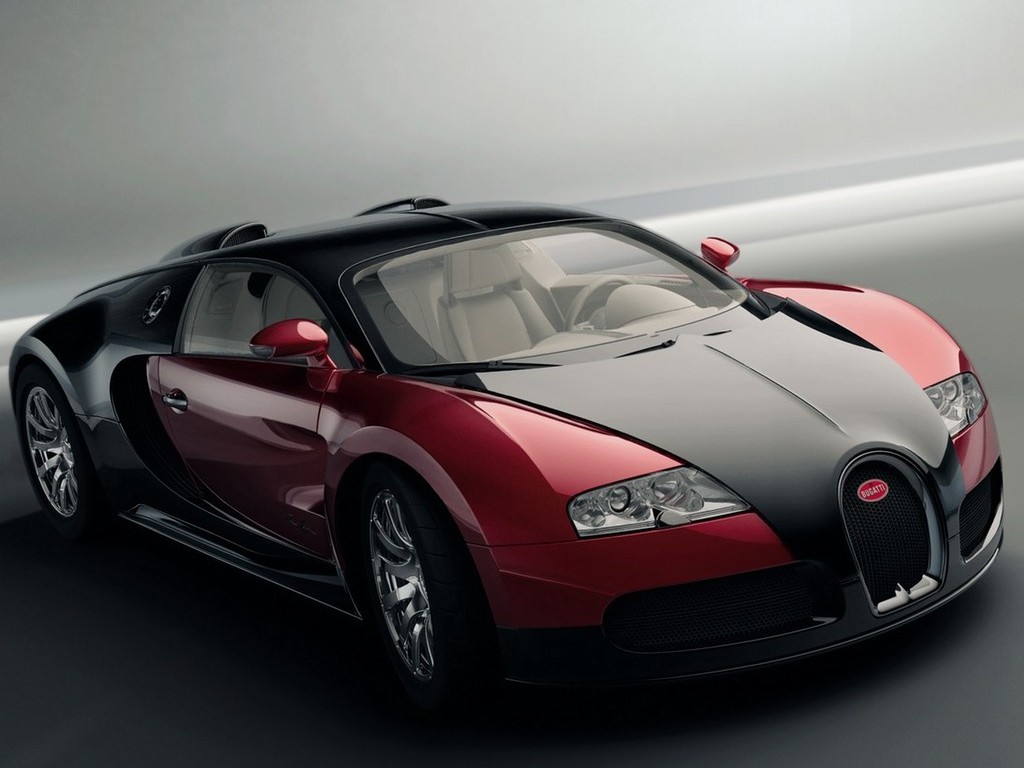
1. Bugatti Veyron $1,700,000. This is by far the most expensive street legal car available on the market today. It is the fastest accelerating car reaching 0-60 in 2.6 seconds. It claims to be the fastest car with a top speed of 253 mph+. However, the title for the fastest car goes to the SSC Ultimate Aero which exceed 253 mph pushing this car to 2nd place for the fastest car.
Bugatti Veyron: Most Expensive Car in The World
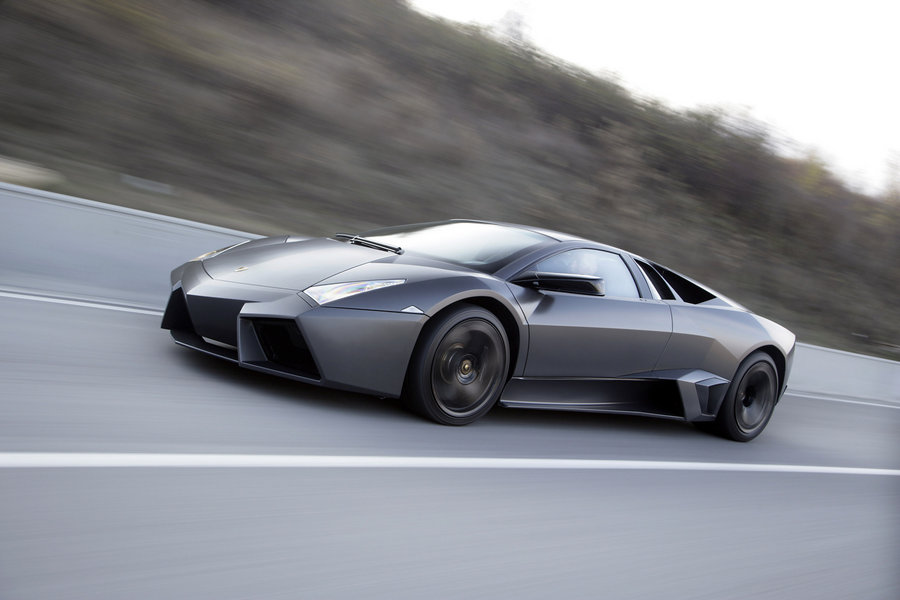
2. Lamborghini Reventon $1,600,000. The most powerful and the most expensive Lamborghini ever built is the second on the list. It takes 3.3 seconds to reach 60 mph and it has a top speed of 211 mph. Its rarity (limited to 20) and slick design are the reasons why it is so expensive and costly to own.
Lamborghini Reventon side view
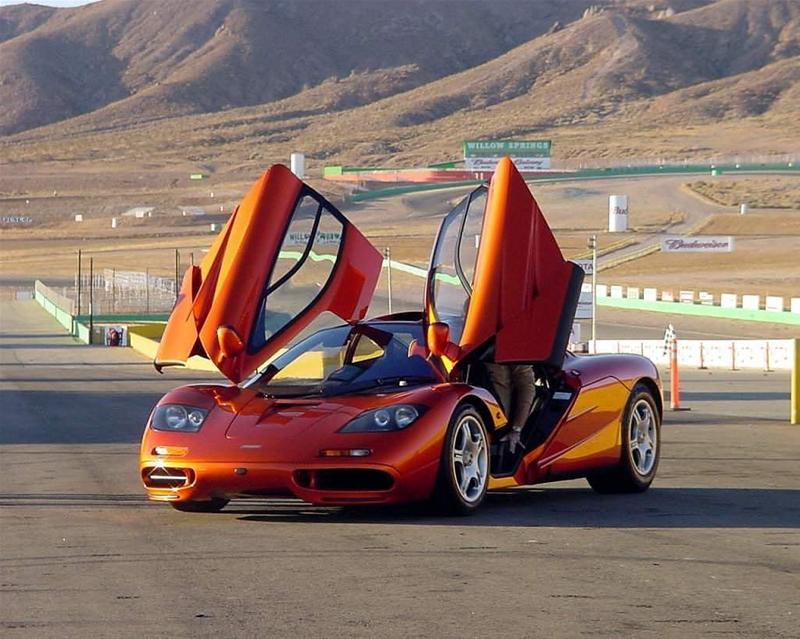
3. McLaren F1 $970,000. In 1994, the McLaren F1 was the fastest and most expensive car. Even though it was built 15 years ago, it has an unbelievable  top speed of 240 mph and reaching 60 mph in 3.2 seconds. Even as of today, the McLaren F1 is still top on the list and it outperformed many other supercars.
McLaren F1 Orange with doors open
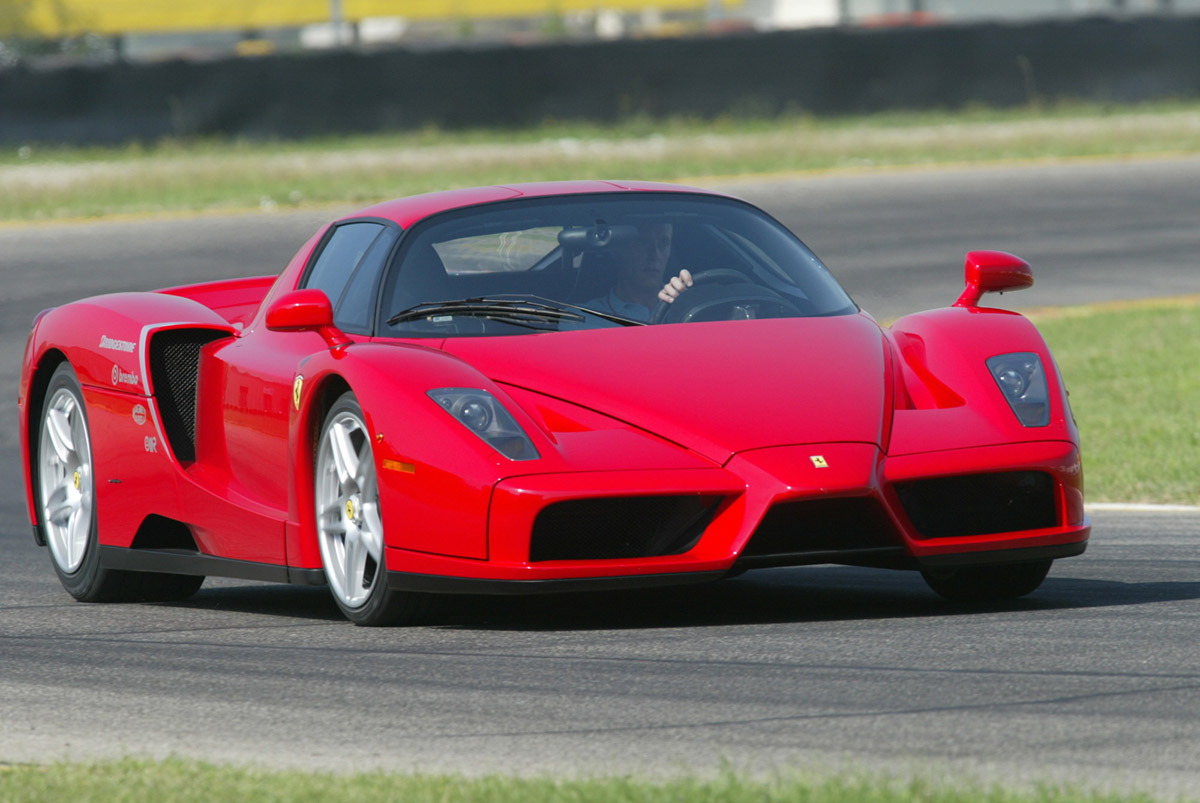
4. Ferrari Enzo $670,000. The most known supercar ever built. The Enzo has a top speed of 217 mph and reaching 60 mph in 3.4 seconds. Only 400 units were produced and it is currently being sold for over $1,000,000 at auctions.
Ferrari Enzo track run front view
5. Pagani Zonda C12 F $667,321. Produced by a small independent company in Italy, the Pagani Zonda C12 F is the 5th fastest car in the world. It promises to delivery a top speed of 215 mph+ and it can reach 0-60 in 3.5 seconds.
Pagani Zonda C12 F: 2nd Most Expensive Car in the World
6. SSC Ultimate Aero $654,400. Don't let the price tag fool you, the 6th most expensive car is actually the fastest street legal car in the world with a top speed of 257 mph+ and reaching 0-60 in 2.7 seconds. This baby cost nearly half as much as the Bugatti Veyron, yet has enough power to top the most expensive car in a speed race. It is estimated that only 25 of this exact model will ever be produced.
SSC Ultimate Aero 3rd most expensive car in the world
7. Saleen S7 Twin Turbo $555,000. The first true American production certified supercar, this cowboy is also rank 3rd for the fastest car in the world. It has a top speed of 248 mph+ and it can reach 0-60 in 3.2 seconds. If you are a true American patriot, you can be proud to show off this car.
Saleen S7 Twin Turbo white
8. Koenigsegg CCX $545,568. Swedish made, the Koenigsegg is fighting hard to become the fastest car in the world. Currently, it is the 4th fastest car in the world with a top speed of 245 mph+, the car manufacture Koenigsegg is not giving up and will continue to try and produce the fastest car. Good luck with that!
Koenigsegg CCX side view
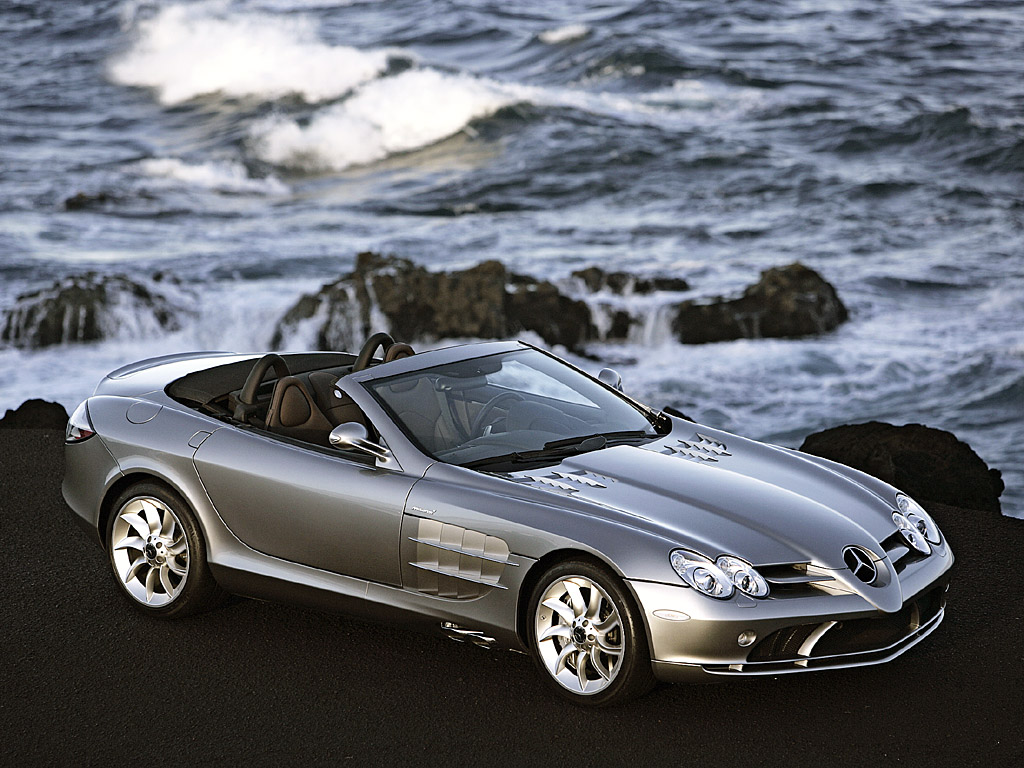
9. Mercedes Benz SLR McLaren Roadster $495,000. A GT supercar, the SLR McLaren is the fastest automatic transmission car in the world with a top speed of 206 mph+ and reaching 60 mph in 3.8 seconds. It is a luxurious convertible with a really powerful engine, which results in outstanding performances and style.
Mercedes-Benz SLR McLaren Roadster side front view
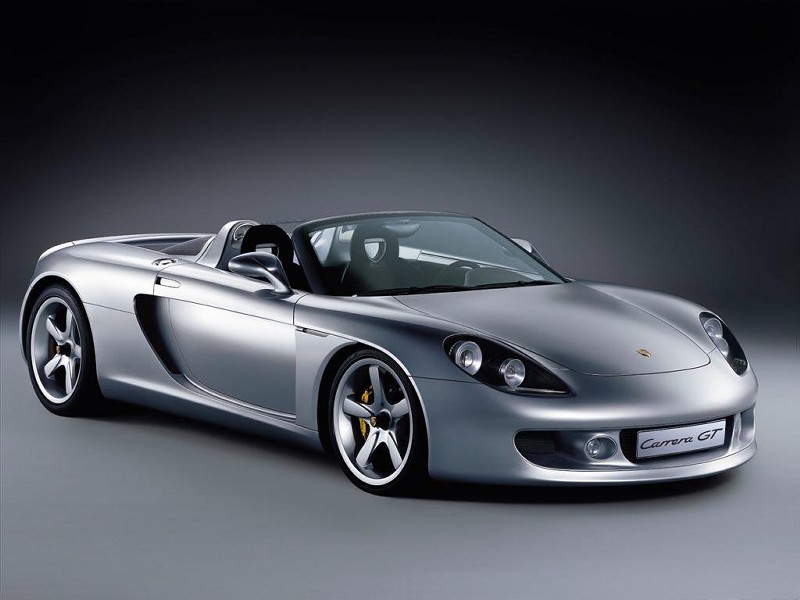
10. Porsche Carrera GT $440,000. A supercar with dynamic stability control and a top speed of 205 mph+ and it can reach 0-60 in 3.9 seconds. The Porsche Carrera GT applies the absolute calibers of a true racing car to offer an unprecedented driving feeling on the road.
Porsche Carrera GT

Followers